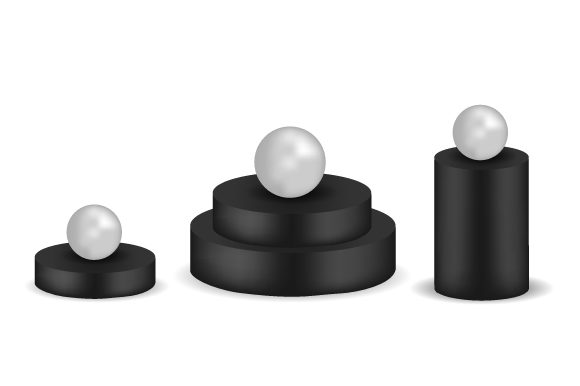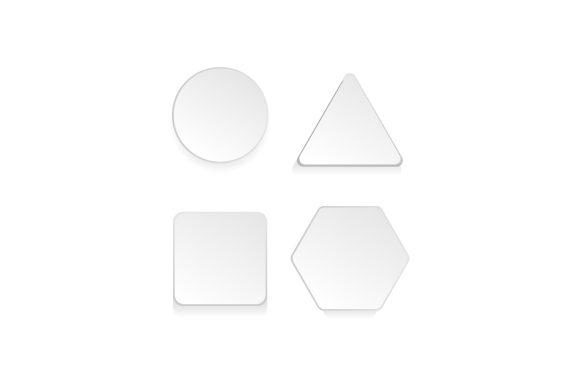
White 3d Blank Square and Rounder Button
In the chaotic landscape of modern digital design, finding a visual element that balances structure with softness can feel like searching for a needle in a haystack. This is where the White 3d Blank Square and Rounder Button steps in as an unsung hero. It isn't just another geometric shape; it is a versatile design component that bridges the gap between rigid corporate layouts and playful, user-friendly interfaces. Whether you are building a high-end portfolio or crafting a mobile app, this specific combination offers a unique aesthetic that speaks to clarity and interaction without overwhelming the viewer.
Imagine opening a new project file and seeing a pristine white square that catches the light just right, paired perfectly with a button that has those softly rounded corners. It sounds simple, but the impact on a final design is profound. The "blank" aspect is crucial here. Unlike pre-textured buttons or complex icons, these elements act as a canvas. They provide a sense of depth through subtle shadows and highlights, creating a tactile feeling that invites the user to touch, click, or explore. It transforms a flat screen into something that feels almost tangible.
Why This Combination Works in Real-World Scenarios
The magic of the White 3d Blank Square and Rounder Button lies in its adaptability. Designers often struggle with choosing between the authority of squares and the approachability of circles. By combining them, you get the best of both worlds. The square represents stability and organization, while the rounder button suggests friendliness and ease of use. This duality makes it incredibly useful across various industries.
Consider the world of e-commerce. When a customer lands on a product page, they need clear calls to action. A standard, sharp-edged button might feel too aggressive, while a completely circular one might lack structural integrity in a grid layout. The White 3d Blank Square and Rounder Button solves this by offering a button that fits neatly into a structured product grid but retains the inviting curvature of a pill shape. It guides the eye naturally toward the "Add to Cart" action without demanding attention through loud colors. The white color ensures it blends seamlessly with minimalist themes, allowing product photography to take center stage.
Similarly, in the realm of interior design apps or home decor websites, these elements serve as perfect placeholders for furniture options. Imagine a room planner tool where users can drag and drop items. The interface needs to look clean and uncluttered. Using a 3D blank square as a base for a furniture item, paired with a rounder button to adjust settings, creates a sophisticated user experience. It feels like interacting with physical objects rather than manipulating pixels. This psychological connection increases user engagement and reduces the cognitive load required to navigate the interface.
Applications Across Different Industries
The utility of these assets extends far beyond just web design. Let's look at how different audiences leverage these tools to solve specific problems.
- Tech Startups: For SaaS companies launching new dashboards, clarity is king. The 3D effect adds a layer of modernity without requiring heavy graphics. It signals that the software is robust yet accessible. A blank square can represent a data module, while the rounder button acts as the control knob for that data.
- Education Platforms: Learning management systems benefit from a friendly interface. Students are more likely to engage with content if the navigation feels welcoming. The soft edges of the button reduce the perceived difficulty of the material, making complex topics feel more manageable.
- Healthcare Apps: In medical applications, trust and calmness are essential. Sharp angles can subconsciously trigger anxiety. The rounded button provides a sense of safety and comfort, while the clean white square maintains the sterile, professional look expected in healthcare environments.
- Creative Portfolios: Photographers and artists use these elements to frame their work. The blank nature of the square allows the art to breathe, while the button serves as a subtle way to toggle between gallery views or download high-resolution files.
What makes this particularly exciting is the variation in usage. Some designers treat the white 3D square as a standalone icon, using the shadow play to indicate status—like a loading state or a selected tab. Others pair it with the rounder button to create a complete interactive widget. The possibilities are limited only by your imagination.
Navigating File Formats for Maximum Flexibility
One of the most significant advantages of acquiring these design elements is the comprehensive range of file formats provided: AI, EPS, JPG, and PNG. Each format serves a distinct purpose in the creative workflow, ensuring that whether you are a vector purist or a raster enthusiast, you have the right tool for the job.
The AI (Adobe Illustrator) and EPS files are game-changers for scalability. If you are designing a billboard or a massive website header, you need vectors that won't pixelate when stretched. With these formats, you can edit the stroke weights, adjust the gradient meshes that create the 3D effect, and even change the curvature of the button without losing any quality. It gives you total control over the final look. You might decide to make the button slightly flatter for a modern "flat 2.0" trend or deepen the shadows for a more dramatic look.
On the other hand, the JPG and PNG files offer immediate usability. When you are working on a tight deadline or need to quickly mock up a concept in Photoshop or Figma, having ready-to-use raster images saves hours of manual rendering. The PNG version is especially valuable because it typically comes with a transparent background, allowing you to layer the 3D button directly onto any colored backdrop without worrying about ugly white boxes around the edges. The JPG is perfect for quick previews or for embedding into documents where file size matters more than transparency.
Practical Considerations Before You Apply
While the White 3d Blank Square and Rounder Button is a powerful asset, there are some practical considerations to keep in mind before integrating it into your project. First and foremost, lighting consistency is key. Since these elements rely heavily on shadows and highlights to create their 3D appearance, they must match the lighting environment of your overall design. If your background is dark, a bright white button might look out of place unless you adjust the shadows to reflect a darker ambient light. Conversely, placing a white 3D object on a very busy or colorful background can cause it to lose its definition.
Another factor to consider is accessibility. While the 3D effect looks great visually, it can sometimes reduce contrast for users with visual impairments. Ensure that the text placed inside or near the rounder button remains legible. Sometimes, adding a slight border or adjusting the opacity can help maintain the aesthetic while improving readability. Also, think about the context of use. On a small mobile screen, a highly detailed 3D button might become cluttered. In such cases, simplifying the texture or reducing the shadow intensity can preserve the look without sacrificing usability.
Strengths and Potential Limitations
The primary strength of this design element is its neutrality. It doesn't scream for attention; instead, it whispers elegance. It works well with almost any color palette, acting as a neutral anchor that stabilizes the composition. The 3D aspect adds a premium feel, elevating the perceived value of whatever brand or product it represents. Furthermore, the blank nature means it is future-proof. Trends come and go, but a clean, geometric shape rarely dates quickly.
However, there are limitations. The reliance on gradients and shadows means that printing these elements can be tricky. A 3D effect that looks stunning on a backlit monitor might not translate well to standard ink on paper, potentially looking muddy or dull. Additionally, in highly technical or industrial designs where minimalism is paramount, the 3D aspect might feel too decorative. It is always worth testing the element in grayscale first to ensure it holds up without relying solely on color or depth cues.
Ultimately, the White 3d Blank Square and Rounder Button is more than just a graphic; it is a solution for designers who want to add depth and interactivity without cluttering their workspace. By understanding its strengths and applying it thoughtfully across different scenarios, you can create designs that are not only beautiful but also functional and engaging. Whether you are tweaking a UI element or building a full branding kit, having these files in your arsenal is a smart move for any creative professional aiming for excellence.