3D Black and White Geometric Shapes
Imagine a visual language that speaks directly to the modern eye without saying a word. That is exactly what 3d black and white geometric shapes offer in the world of design. These are not just simple drawings; they are sophisticated compositions that use depth, contrast, and form to create striking visuals. Whether you are looking to revamp your living space or need a unique asset for a marketing campaign, this style provides a versatile foundation that works across almost any medium.
The appeal lies in its timeless nature. While trends come and go, the combination of monochrome tones with structured geometry remains eternally stylish. It strips away the noise of color to focus on structure, shadow, and dimension. This creates an immediate sense of order and elegance that can elevate any project from ordinary to extraordinary.
Understanding the Core Concept
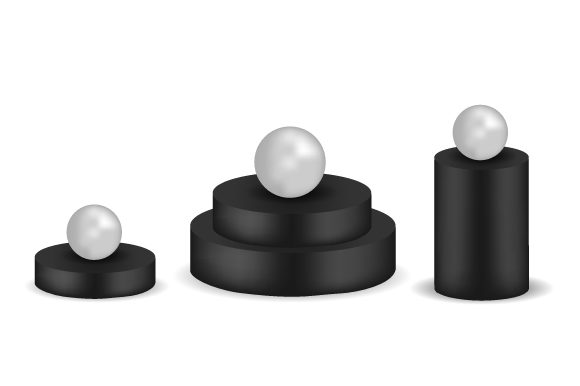
At its heart, 3d black and white geometric shapes refers to digital illustrations or renderings where forms like cubes, spheres, pyramids, and abstract polyhedrons are given a three-dimensional appearance using only shades of gray, black, and white. The "3D" aspect is crucial because it introduces light and shadow, making flat surfaces look tangible and solid.
When designers talk about 3d black and white geometric shapes design for decoration and interior design needs, they are often referring to how these patterns mimic the texture of physical materials like marble, concrete, or matte plastic. The high contrast between the deep blacks and bright whites creates a dramatic effect that draws attention immediately. It is a minimalist approach that feels bold rather than empty.
This style is particularly effective because it relies on universal visual principles. Unlike colorful designs that might clash with specific branding colors or existing decor, a monochromatic palette is neutral enough to complement everything while being distinct enough to stand out on its own.
Why Choose This Design Style?
You might be wondering why you should invest time or resources into this specific aesthetic. The answer lies in its flexibility and professional impact. For entrepreneurs and small business owners, branding is everything. Using 3d black and white geometric shapes in logos or social media graphics signals sophistication, clarity, and a modern mindset. It suggests that your brand is structured and reliable.
In the realm of personal creativity, these shapes offer a playground for experimentation. Beginners often find traditional 3D modeling intimidating, but when working with pre-made assets or simple vector tools, the process becomes accessible. You can create stunning wallpapers, blog headers, or digital art pieces without needing advanced technical skills. The clean lines allow even novice creators to produce results that look professionally polished.
For educators and bloggers, these visuals serve as excellent engagement tools. Complex data or abstract concepts can be simplified using geometric metaphors. A presentation slide featuring a rotating 3D cube can make a static topic feel dynamic and engaging, keeping the audience's attention focused on the core message.
Practical Applications Across Industries
The utility of these designs extends far beyond simple decoration. Here is how different professionals utilize them in real-world scenarios:
- Interior Designers: Architects and decorators frequently use 3d black and white geometric shapes to visualize wall textures, floor tiles, or ceiling panels before installation. They help clients understand how light will interact with surfaces in a room, ensuring the final result matches their vision.
- Marketers and Content Creators: In a crowded digital landscape, capturing attention is difficult. High-contrast geometric patterns work exceptionally well as background elements for product photography or promotional videos. They provide a neutral stage that lets the product shine while adding a layer of artistic flair.
- Fashion and Apparel: Print-on-demand businesses often leverage these designs for t-shirts, tote bags, and home textiles. The monochrome trend is perennially popular, and the geometric aspect adds a contemporary edge that appeals to younger demographics.
- Web Developers: Modern websites are moving towards immersive experiences. Integrating subtle 3D geometric backgrounds can add depth to a landing page without slowing down load times, provided the files are optimized correctly.
Getting Started: What You Need to Know
If you are ready to incorporate these designs into your workflow, understanding the file formats available is essential. When you acquire assets for 3d black and white geometric shapes, you will typically receive a comprehensive package designed to cover every possible usage scenario. Knowing which file to use when can save you hours of frustration.
The AI (Adobe Illustrator) and EPS files are vector-based. This means they are mathematically defined rather than made of pixels. If you need to scale a design up for a massive billboard or down for a business card, these formats ensure the image remains perfectly crisp. They are ideal for graphic designers who need to edit specific elements, change line weights, or integrate the shapes into larger layouts.
On the other hand, JPG and PNG files are raster images. These are perfect for quick sharing, web use, or printing standard documents. PNG files are particularly valuable because they support transparency. This allows you to place a 3D shape over any background color or image without seeing a white box around it. JPGs are best for photos or complex gradients where file size is a concern, though they lack transparency.
Considerations for Successful Implementation
While these designs are powerful, there are a few things to keep in mind to ensure they enhance rather than distract from your project. First, consider the context. In interior design, too much contrast can be overwhelming if used on large surface areas. It is often better to use these patterns as accents—perhaps on a single feature wall or in a series of framed prints—rather than covering an entire room.
Secondly, pay attention to lighting. Since these designs rely heavily on shadows to create the 3D effect, the way they are printed or displayed matters. On a glossy screen, the highlights might pop more than intended, while on matte paper, the subtlety of the gray tones might be lost. Always test your design in the intended medium before going to full production.
Finally, think about accessibility. High-contrast black and white is generally good for readability, but ensure that the geometric elements do not obscure text or important information. The goal is to support your content, not compete with it. By balancing the boldness of the shapes with ample negative space, you create a harmonious composition that feels intentional and refined.
Whether you are a freelancer looking to expand your portfolio, a business owner wanting to refresh your brand identity, or a hobbyist exploring new creative avenues, 3d black and white geometric shapes offer a robust toolkit. With access to versatile formats like AI, EPS, JPG, and PNG, you have the freedom to adapt these designs to fit your specific needs, ensuring your projects always look sharp, modern, and professionally executed.