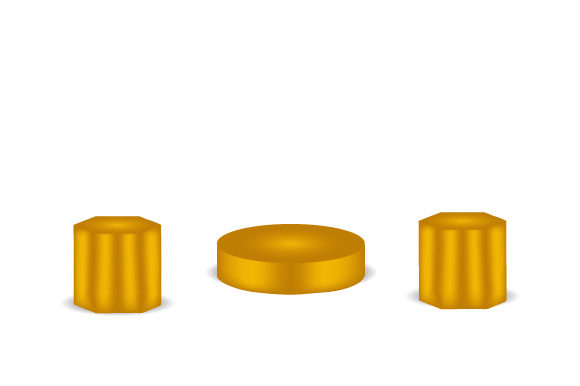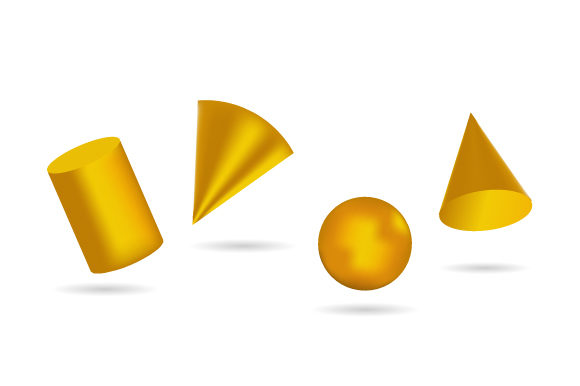
3d Golden Geometric Colllection Shapes
There is a specific kind of magic that happens when light hits the right surface. It transforms a flat design into something tangible, adding depth and a sense of luxury that simple colors cannot achieve. This is exactly why 3d golden geometric collection shapes have become a staple for modern interior design and digital marketing assets. Whether you are a small business owner looking to elevate your brand identity or an educator creating engaging visual aids, these elements offer a bridge between classic elegance and contemporary structure.
However, simply downloading a file does not guarantee a professional result. Many creators make the mistake of treating these 3D assets as generic clipart, ignoring the nuances of lighting, texture, and composition. When used correctly, they can turn a mundane presentation into a compelling story. When used poorly, they can look tacky, overwhelming, or completely out of place. Understanding the difference lies in knowing what you are getting and how to apply it effectively.
Understanding the Value of Gold and Geometry
The combination of gold and geometry is powerful because it speaks two languages at once: stability and value. Geometric shapes represent order, logic, and structure, while the golden finish implies wealth, quality, and warmth. In the world of 3d golden geometric collection shapes, this duality allows designers to create focal points that draw the eye without screaming for attention.
For interior design enthusiasts, these shapes are not just decorative; they are functional tools for spatial organization. A large golden geometric wall sculpture can break up the monotony of a white room, adding architectural interest where a painting might feel too heavy. For digital creators, these assets serve as high-end icons, background textures, or key visual elements for product launches. The versatility comes from the fact that gold reflects light, making it adaptable to both bright, airy designs and dark, moody aesthetics.
But before you rush to download, you must consider the technical reality. These files come in various formats—AI, EPS, JPG, and PNG—each serving a distinct purpose. Confusing them is one of the most common errors beginners make, often leading to pixelated logos or uneditable graphics that ruin a project's potential.
Common Pitfalls in Selection and Usage
One of the biggest mistakes people make when working with 3d golden geometric collection shapes is overlooking the file format requirements. If you need to scale a logo for a massive billboard, downloading only a JPG or PNG will limit you. Raster images lose quality when enlarged, resulting in jagged edges that destroy the illusion of precision. Always check if the vector versions (AI or EPS) are included. These formats allow you to resize the shape infinitely without losing any detail, ensuring your golden accents remain crisp whether they are on a business card or a storefront sign.
Another frequent error involves the "over-gilding" effect. Because gold is visually heavy, there is a temptation to use too many shapes in a single composition. This creates visual clutter rather than sophistication. A room filled with golden geometric patterns can feel chaotic, and a website header crowded with shiny 3D icons can distract users from the actual content. The golden element should act as an accent, not the entire stage. Think of it like wearing jewelry: a single statement piece is elegant, but wearing five necklaces at once looks mismatched.
Furthermore, many users ignore the lighting environment. A 3D render of a golden shape is created with specific lighting in mind. If you place that asset onto a background with a completely different light source direction, the result looks fake and disjointed. The shadows and highlights on the golden surface will not match the ambient light of your scene, breaking the immersion. This is particularly critical for interior design mockups where realism is paramount.
How Mistakes Impact Your Results
When these errors occur, the consequences go beyond mere aesthetics. In a professional setting, low-quality scaling or mismatched lighting can undermine credibility. Clients may perceive a lack of attention to detail, which can affect trust in your services. For marketers, a poorly integrated 3D asset can lower engagement rates because the brain subconsciously registers the image as "unpolished."
In interior design, using the wrong proportions can alter the perceived size of a room. Large, heavy golden shapes in a small space can make it feel cramped and oppressive. Conversely, tiny details in a vast hall might get lost entirely, wasting the investment in the decoration. Efficiency is also a factor; spending hours trying to fix a pixelated image or manually tracing a raster graphic is time that could be better spent on strategy or creative development.
Practical Strategies for Success
To avoid these pitfalls, start by evaluating your end goal. Are you printing this design? If so, prioritize AI or EPS files to ensure print-ready resolution. Are you using it for social media or web headers? High-resolution PNG files with transparent backgrounds are usually sufficient and easier to manage. Do not assume one file type fits all scenarios; having access to the full suite of formats—AI, EPS, JPG, and PNG—gives you the flexibility to adapt to any medium.
When integrating these shapes into a design, focus on balance. Use the rule of thirds to position your golden geometric elements. Place them off-center to create dynamic tension rather than static symmetry. If you are designing an interior space, consider the material surrounding the gold. Matte black, deep navy, or natural wood tones provide excellent contrast that makes the gold pop without competing with it. Avoid placing gold against similarly bright or metallic surfaces unless you are aiming for a very specific, high-energy aesthetic.
Pay close attention to the rendering style. Some 3D collections feature highly reflective, mirror-like gold, while others use a brushed or matte gold finish. Mirror finishes reflect their surroundings, which can be distracting if the background is busy. Brushed or matte gold offers a more subdued, sophisticated look that works well in corporate environments or minimalist homes. Choose the finish that matches the mood you want to convey.
Checklist Before You Commit
- Verify File Compatibility: Ensure your software (Adobe Illustrator, Photoshop, or 3D modeling tools) can open the provided AI or EPS files without corruption.
- Assess Resolution Needs: Determine the maximum size you need to display the asset and confirm the raster files (JPG/PNG) support that resolution.
- Analyze Lighting Consistency: Compare the shadow direction and intensity of the golden shape against your intended background or room lighting.
- Evaluate Color Harmony: Test the gold tone against your existing color palette. Does it complement the scheme, or does it clash?
- Consider Scale: Visualize the shape in its final context. Will it overwhelm the space or enhance it?
By taking a thoughtful approach to selection and application, you transform a simple download into a strategic asset. The 3d golden geometric collection shapes are more than just decorative items; they are versatile tools that, when handled with care, can elevate your projects to a new level of professionalism. Whether you are building a brand, designing a home, or creating educational content, the key is to respect the material properties and the visual weight of the design. With the right preparation and a keen eye for detail, you can harness the power of gold and geometry to create work that is both beautiful and effective.