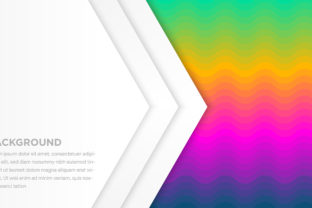
Papercut Background Colorful
In the crowded landscape of digital and print media, visual hierarchy is often the difference between a message that resonates and one that gets scrolled past. Papercut Background Colorful offers more than just aesthetic appeal; it provides a tactile, layered approach to design that can significantly enhance user engagement and brand perception. For entrepreneurs, marketers, and creative professionals aged 20 to 50, understanding how to leverage this specific vector style is not merely about following a trend but about making strategic decisions regarding communication clarity and emotional connection.
The Strategic Value of Layered Visuals
At its core, a colorful papercut background mimics the physical act of layering paper to create depth. When applied to digital assets like websites, brochures, or presentation slides, this technique introduces a sense of dimensionality that flat design often lacks. The 3d abstract background created by these elements guides the eye naturally through the content, creating a subconscious journey for the viewer. This is particularly useful when your goal is to simplify complex information or to highlight specific data points within a busy layout.
Consider the psychology of color in this context. A blue gradient often associated with trust, technology, and stability, combined with the organic curves of paper cuts, creates a balanced environment. It suggests innovation without being cold. For businesses in the technology or finance sectors, utilizing a blue-colored papercut banner concept can reinforce corporate identity while adding a modern, trendy flair that distinguishes them from competitors relying on standard corporate templates.
Enhancing Brand Identity and Positioning
Branding is about consistency and recognition. Integrating a consistent papercut style across various touchpoints—from a business card to a website footer—creates a cohesive narrative. The unique texture of the paper cut out element acts as a signature style. When executed correctly, it signals that a brand pays attention to detail and values craftsmanship, even in a digital format.
For small business owners and freelancers, this approach allows for high-impact visuals without the need for expensive photography or custom illustration. By selecting a geometric pattern or a wave form as the base, you can establish a professional look that scales effectively. The key is intentionality: do not use the colorful decoration randomly. Instead, align the complexity of the background with the sophistication of your service offering.
Practical Applications Across Media Types
The versatility of Papercut Background Colorful vectors makes them suitable for a wide array of projects. However, their effectiveness depends heavily on the medium and the intended outcome. Below are strategic scenarios where this design element delivers the most value.
- Digital Presentations: In a corporate setting, slides filled with dense text can be overwhelming. Using a subtle abstract background with soft shadows and layered shapes can break up the monotony, keeping the audience engaged. It transforms a standard deck into an immersive experience.
- Marketing Brochures and Flyers: Print materials require immediate visual impact. A rainbow or multi-hued papercut design can draw attention to a promotional offer. The cut effect adds a tactile illusion, encouraging the reader to physically interact with the material, which increases retention rates.
- Web Design and UI: For web developers and designers, these vectors serve as excellent headers or section dividers. They provide a frame for content without obscuring readability. When used as a border or sign element, they direct focus to call-to-action buttons.
- Educational Materials: Educators and publishers can use creative curve designs to make learning resources more inviting. Complex concepts become more accessible when wrapped in friendly, colorful, and approachable graphics.
Optimizing for Readability and Accessibility
While the visual appeal is undeniable, the primary function of any design is communication. A common pitfall in using colorful backgrounds is allowing the decorative elements to compete with the text. To avoid this, strategic contrast is essential. If the background features a bright yellow or red wave, the foreground text should be bold and dark, typically black or deep navy, to ensure legibility.
Furthermore, the shadow effects inherent in papercut art must be managed carefully. Deep shadows can reduce contrast ratios, making text difficult to read for users with visual impairments. Always test your template choices against accessibility standards. The goal is to enhance the user experience, not hinder it. Think of the background as a stage; the actors (your content) must always be clearly visible.
Risks of Unintentional Usage
Even the most beautiful design asset can backfire if deployed without a clear strategy. One significant risk of overusing Papercut Background Colorful elements is visual fatigue. When every section of a website or document is saturated with layers, patterns, and gradients, the viewer's brain struggles to prioritize information. This leads to "banner blindness," where the entire page is ignored because nothing stands out.
Another risk is brand dilution. If a company known for minimalism and efficiency suddenly adopts a chaotic, multi-colored origami style without a transitional plan, it may confuse its existing customer base. Consistency builds trust. Before adopting this style, ask yourself: Does this reflect our core values? Does it fit the tone of voice we use in our copy? If the answer is no, the visual disconnect will undermine your credibility.
Additionally, there are technical considerations. High-resolution vector files with complex gradients and shadows can increase file sizes. For web applications, this can slow down load times, negatively affecting SEO rankings and user retention. Ensure that your graphic assets are optimized for their intended platform before implementation.
Decision-Making Framework for Implementation
To integrate Papercut Background Colorful effectively, adopt a structured approach. Start by defining the objective. Are you trying to evoke excitement, convey stability, or showcase creativity? Your choice of colors and shapes should directly support this goal.
- Analyze the Context: Determine where the design will live. A flag or sign for a trade show requires different vibrancy levels than a presentation slide for a board meeting.
- Select the Palette: Limit your color usage. While the term "colorful" suggests variety, too many hues can appear messy. Stick to a dominant color scheme, such as the blue gradient, and use accent colors sparingly to guide the eye.
- Test Variations: Create multiple versions of your design with varying levels of background intensity. Show these to a sample group or stakeholders to gauge their reaction and comprehension.
- Iterate Based on Feedback: Be willing to simplify. Often, removing a layer or reducing the saturation of the texture yields a more professional result than adding more elements.
Long-Term Impact on Creative Operations
Investing time in mastering the use of Papercut Background Colorful vectors pays dividends in long-term operational efficiency. Once you have established a library of approved styles, colors, and layouts, future projects can be assembled faster. This standardization reduces decision fatigue for teams and ensures that all output maintains a high quality.
Moreover, this style bridges the gap between traditional craftsmanship and modern digital needs. It appeals to a demographic that values authenticity and human touch in an increasingly automated world. By leveraging the form and shape of paper cuts, brands can communicate a sense of care and effort that resonates deeply with audiences.
Ultimately, the success of any design project lies in the alignment between visual execution and strategic intent. Papercut Background Colorful is a powerful tool in your arsenal, capable of transforming mundane layouts into engaging experiences. However, it requires discipline, planning, and a keen eye for balance. Use it to solve problems, not just to decorate. When approached with this mindset, the result is not just a pretty image, but a strategic asset that drives results.