Fluid Orange Red Background
In the crowded landscape of digital communication, visual hierarchy is not merely an aesthetic choice; it is a strategic imperative. The Fluid Orange Red Background represents more than a trendy gradient or a simple color palette. It is a dynamic vector asset designed to capture attention while maintaining a sophisticated, modern flow. For entrepreneurs, marketers, and creative professionals, understanding how to deploy this specific visual element can significantly influence user engagement, brand perception, and the overall effectiveness of advertising campaigns.
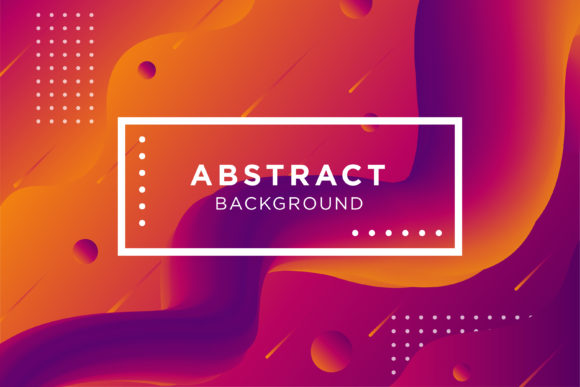
This resource features vibrant curved streams and liquid blended paths that merge 3D orange and purple gradients. Such imagery evokes a sense of vitality and forward momentum. When integrated correctly into a layout, it transforms static information into an engaging narrative. However, utilizing high-energy visuals like the fluid orange red background requires intentionality. Without a clear strategic framework, even the most beautiful illustration can distract from the core message rather than amplify it.
The Strategic Value of Dynamic Visuals in Modern Design
Visual communication has evolved from static presentation to immersive experience. The human brain processes images 60,000 times faster than text, making the initial impression critical. A fluid orange red background leverages the psychological impact of warm colors—specifically orange and red—to stimulate energy, urgency, and passion. When paired with the cooling tones of purple and magenta, the composition creates a balanced contrast that guides the eye naturally across the page.
For small business owners and freelancers, this type of vector art offers a distinct advantage. It provides a "fashionable" and "futuristic" look without requiring complex custom photography or expensive 3D rendering services. As a clean, minimal template, it serves as a versatile foundation for various projects, from corporate flyers to social media banners. The key lies in recognizing that the background is not just decoration; it is the stage upon which your content performs.
- Vitality and Energy: The flowing nature of the design suggests movement and progress, ideal for brands focused on innovation or growth.
- Focus and Direction: The curved streams create natural leading lines that direct viewer attention toward call-to-action buttons or key headlines.
- Modern Credibility: High-quality 3D gradients signal technical competence and a commitment to contemporary standards.
Integrating Fluid Graphics into Branding and Marketing
When planning a marketing campaign, the choice of visual assets must align with the broader positioning strategy. A fluid orange red background is particularly effective for industries that value creativity, technology, and dynamic service delivery. Consider the context of a software launch, a creative agency portfolio, or a lifestyle product advertisement. In these scenarios, the "liquid" quality of the image communicates flexibility and adaptability—traits highly valued by modern consumers.
To maximize the return on investment for this asset, designers should consider the interplay between the vivid background and the copy space. The spectrum of colors used in the gradient, ranging from deep reds to bright oranges and soft purples, offers excellent opportunities for layering text. By placing white or light-colored typography over the darker sections of the gradient, you ensure readability while maintaining the visual impact.
However, caution is required when applying this style to conservative sectors such as finance or healthcare. While the fluid orange red background is undeniably striking, its high energy might conflict with the trust and stability those industries aim to project. Decision-makers must evaluate whether the emotional tone of the image matches the brand's voice. If the goal is to convey reliability, a softer, more muted version of this fluid design might be preferable to the full-saturation variant.
Practical Applications Across Digital Platforms
The versatility of vector-based illustrations allows them to scale seamlessly across different media types. Whether you are designing a wide banner for a website header, a vertical cover for a mobile app, or a printed flyer for an event, the fluid orange red background maintains its integrity. This scalability is crucial for maintaining a consistent brand identity across touchpoints.
For bloggers and publishers, this graphic can serve as a powerful header image. The horizontal flow of the design fits perfectly within standard web layouts, providing a visually appealing entry point for readers. The "blur" and "glow" effects inherent in the 3D rendering add depth, making the content feel premium and professionally curated.
In the realm of advertising, the ability to customize the fluid orange red background is a significant asset. Marketers can adjust the opacity of the gradient layers to ensure that product shots or promotional text remain the focal point. The smooth transitions between colors prevent harsh edges that might clash with other design elements. This makes it an excellent choice for seasonal campaigns, such as summer sales or holiday promotions, where warmth and excitement are desired.
Planning for Long-Term Visual Consistency
Building a long-term visual strategy involves more than selecting a single attractive image. It requires a systematic approach to how graphics support organizational goals. When incorporating a fluid orange red background into your operations, consider creating a style guide that defines its usage rules. Specify where the gradient should appear, what font pairings work best, and how much negative space should be preserved.
One common pitfall is the overuse of vibrant backgrounds. If every piece of content utilizes the same high-energy graphic, the novelty wears off, and the visual impact diminishes. To avoid this, treat the abstract illustration as a primary accent rather than a default setting. Rotate it with other design elements that provide visual rest, allowing the audience to appreciate the fluid shapes when they do appear.
Furthermore, consider the accessibility implications of using bright, glowing gradients. Ensure that the contrast ratios meet Web Content Accessibility Guidelines (WCAG) standards. The fluid orange red background can be visually stimulating, but if it compromises legibility for users with visual impairments, it fails its communicative purpose. Always test designs with real users to confirm that the aesthetic choices enhance, rather than hinder, the user experience.
Risks and Mitigation Strategies
While the fluid orange red background offers numerous benefits, relying on it without clear goals can lead to strategic missteps. The primary risk is visual clutter. Because the design itself contains complex curves, gradients, and potential glow effects, adding too many additional graphical elements can result in a chaotic layout. This distracts the viewer and dilutes the message.
To mitigate this, adopt a minimalist approach. Let the background breathe. Use the copy space provided by the lighter areas of the gradient to place essential information. Avoid overlaying heavy textures or competing patterns on top of the fluid shapes. The goal is to create a harmonious balance where the background supports the content without overpowering it.
Another consideration is the longevity of the trend. While "futuristic" and "neon" styles are popular now, design trends evolve rapidly. Relying exclusively on a specific gradient style for years may make a brand appear dated. Incorporate the fluid orange red background as part of a broader, adaptable visual system that can be tweaked over time. This ensures that your materials remain fresh and relevant as market conditions change.
Optimizing for Performance and Engagement
From a performance standpoint, the use of a fluid orange red background can positively influence click-through rates (CTR) and time-on-page. The vibrant nature of the colors triggers an emotional response that encourages interaction. When used in email newsletters or landing pages, the gradient can act as a visual anchor, drawing the eye to the most important conversion points.
For educators and trainers, this asset can make learning materials more engaging. Traditional educational content often suffers from being dry or text-heavy. Introducing a wave or splash motif helps break up dense information, making the material more digestible and memorable. The fluid aspect of the design metaphorically represents the flow of knowledge and the interconnectedness of ideas.
Ultimately, the success of any design decision comes down to alignment with objectives. Before deploying the fluid orange red background, ask yourself: Does this image help me achieve my goal? Is it appropriate for my target audience? Will it stand out in a way that adds value? By answering these questions thoughtfully, you transform a simple vector graphic into a powerful tool for communication and growth.
In conclusion, the fluid orange red background is a versatile and potent asset for the modern creator. Its blend of artistic flair and functional design principles makes it suitable for a wide range of applications, from advertising covers to internal presentations. By approaching its use with strategic intent, planners can leverage its energy to drive better results, foster creativity, and build stronger connections with their audiences. The key is to use it not just because it looks good, but because it works.