3D Layered Sunflower Design Evaluation
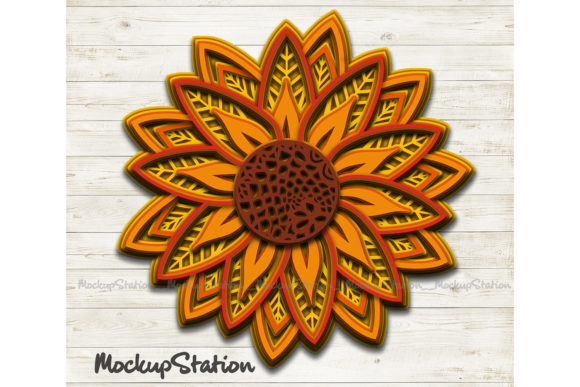
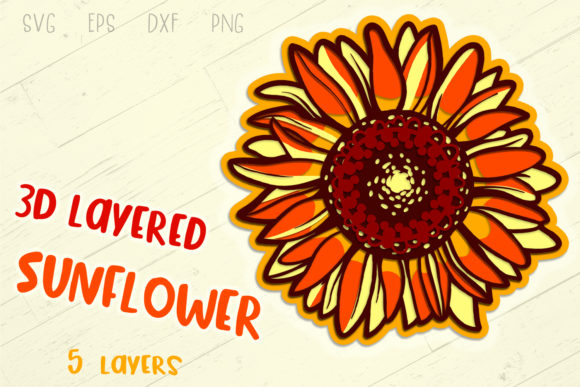
The 3D Layered Sunflower represents a specific category of digital design assets tailored for physical crafting and decorative applications. Unlike flat vector graphics, this design utilizes depth to create a visual experience that mimics the natural structure of a sunflower. The core concept involves stacking multiple distinct layers to produce a three-dimensional effect when assembled. This particular iteration is defined by its detailed construction, featuring exactly five separate layers that contribute to the final appearance.
For individuals engaged in paper crafting, home decor projects, or custom card making, understanding the technical specifications and practical application of this asset is essential before purchase. The following evaluation explores the utility, benefits, and limitations of the 3D Layered Sunflower to assist readers in determining if it aligns with their current project requirements.
Understanding the Design Structure
The defining characteristic of this design is its multi-layered composition. Standard two-dimensional cut files often rely on shading or color gradients to imply depth. In contrast, the 3D Layered Sunflower achieves dimensionality through physical separation. The design comprises five distinct components that must be cut individually and then adhered together. This layering technique allows for a more realistic representation of the flower's geometry, capturing the complexity of petals and centers that flat designs often simplify.
The availability of the file in multiple formats—specifically EPS, SVG, DXF, and PNG—ensures compatibility with a wide range of software and hardware. EPS and SVG are standard for vector-based cutting machines like Cricut or Silhouette, allowing for scalable resizing without quality loss. DXF files cater to users working with laser cutters or specific industrial software, while PNG provides a rasterized option for printing purposes where vector manipulation is not required.
Practical Applications and Use Cases
The versatility of the 3D Layered Sunflower makes it suitable for several distinct contexts. The primary use case identified is in the creation of greeting cards. By adding depth to a card front, the design elevates the tactile experience, offering a premium feel that flat prints cannot match. The five-layer structure provides enough volume to stand out against the cardstock without becoming too bulky for mailing.
Home decoration serves as another significant application area. When cut from paper or cardboard, these layered elements can function as wall art, table centerpieces, or accents for seasonal displays. The ability to cut the design from thicker materials like cardboard expands its potential beyond simple paper crafts, allowing for sturdier decorations that can withstand handling or display on shelves.
Furthermore, the design retains its integrity when used in print form. For those who do not own cutting machines, the included PNG and other formats allow the image to be printed directly onto high-quality paper or canvas. While this removes the 3D element, the underlying detailed design remains visually striking and suitable for framing or scrapbooking.
Evaluating Performance and Efficiency
A critical factor in selecting any cutting file is the efficiency of the production process. Many complex designs require extensive cutting paths, which can lead to long machine run times and increased wear on blades. The 3D Layered Sunflower addresses this common pain point through optimized pathing. The creator has explicitly reduced the number of cutting points within the design vectors.
This reduction offers tangible benefits for both hobbyists and small business owners. Fewer cutting points translate directly to faster processing speeds on electronic cutting machines. This efficiency is particularly valuable when producing multiple units for events or commercial products. It also reduces the likelihood of blade clogging or material tearing, which can occur when a machine attempts to navigate an overly dense network of intricate lines.
Considerations and Potential Tradeoffs
While the design offers significant advantages, users must consider the assembly requirements inherent to 3D layered projects. The benefit of depth comes with the tradeoff of additional labor time. Assembling five separate layers requires precision alignment and patience. Users must ensure that each layer is positioned correctly relative to the others to maintain the intended aesthetic. If the layers are misaligned, the 3D effect may appear distorted rather than dimensional.
Material selection is another crucial consideration. To achieve the best results, the choice of substrate matters. Thin paper may lack the structural integrity to hold the layers apart effectively, potentially causing the design to collapse. Conversely, extremely thick cardboard might be difficult to adhere securely without visible bulk at the seams. Finding the right balance between thickness and flexibility is necessary for a professional finish.
Additionally, the reliance on physical assembly means that the design is not immediately ready for use upon cutting. Unlike a single-piece print that can be applied instantly, the 3D Layered Sunflower demands a workflow that includes cutting, weeding (removing excess material), and assembling. This extra step may be a barrier for users seeking quick turnaround times for large-scale projects.
Situational Fit and Alternatives
The 3D Layered Sunflower is a strong fit for users who prioritize craftsmanship and tactile quality. It is ideal for wedding invitations, anniversary gifts, or boutique home decor items where the added effort of assembly contributes to the perceived value of the product. If the goal is to create a unique, handcrafted item that stands out due to its texture and depth, this design is highly recommended.
However, there are situations where alternatives may be more appropriate. For high-volume production runs where speed is the primary metric over individual customization, a single-layer die-cut or a printed graphic might be more efficient. Similarly, if the user lacks the tools or space for precise assembly, a flat vector version of a sunflower would provide the same visual motif without the logistical complexity of layering.
Users should also evaluate their skill level. Beginners comfortable with basic cutting but new to 3D assembly might find the five-layer requirement challenging initially. In such cases, starting with simpler two-layer designs could serve as a learning step before tackling the detailed 3D Layered Sunflower.
Final Decision Insights
Selecting the right digital asset depends on aligning the tool with the desired outcome. The 3D Layered Sunflower excels in scenarios requiring detail, depth, and a handmade aesthetic. Its optimized cutting paths mitigate the typical inefficiencies associated with complex designs, making it a robust choice for both recreational and commercial crafting.
Ultimately, the decision rests on whether the user values the enhanced visual impact of a 3D object enough to justify the additional assembly time. For those willing to invest the effort in aligning five layers, the result is a sophisticated floral design that adds a unique dimension to cards, decorations, and prints. The availability of versatile file formats ensures that the design can be adapted to various workflows, provided the user is prepared for the assembly phase.