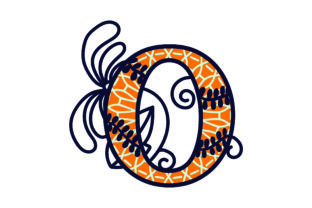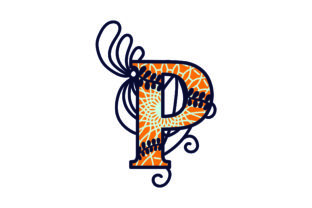
3D Layered Alphabet P: Design & Uses
When you are looking for a design element that instantly adds depth and visual interest to a project, the 3D Layered Alphabet - P stands out as a versatile choice. This specific character is not just a flat letter; it is a constructed piece of art designed to mimic physical layering through digital means. Whether you are a small business owner trying to create a memorable logo or an educator making engaging classroom materials, understanding what this asset offers can transform your workflow.
The core appeal of the 3D Layered Alphabet - P lies in its ability to simulate dimension without requiring complex modeling software. It creates the illusion of stacked planes, giving the letter a tangible presence on a screen or a printed page. This design style bridges the gap between simple typography and intricate 3D rendering, making it accessible to creators who want professional results with minimal technical overhead.
What Makes This Design Special?
At its heart, the 3D Layered Alphabet - P is defined by its structural complexity. Unlike standard fonts where every letter is a single shape, this design breaks the letter down into distinct layers. These layers are offset slightly to create shadows and highlights, resulting in a pop-up effect. This technique draws the eye immediately, making it an excellent tool for grabbing attention in crowded digital spaces or on busy marketing materials.
The design is characterized by clean lines and precise edges, which ensures that it remains legible even when scaled up or down. The "layered" aspect allows for creative customization. Because the design mimics physical construction, users can easily imagine how different colors, textures, or materials might look if applied to each individual layer. This flexibility is a major selling point for designers who need to adapt assets to various brand identities.
Furthermore, the aesthetic is modern yet timeless. While some 3D styles can feel dated quickly, the layered approach used here maintains a fresh look that fits well in contemporary graphic design trends. It works equally well in minimalist contexts where a subtle touch of depth is needed, or in bold, vibrant designs where the letter needs to be the star of the show.
Why Choose This Asset for Your Projects?
Many professionals struggle to find high-quality vector graphics that are both easy to edit and visually striking. The 3D Layered Alphabet - P solves this problem by offering a solution that is ready for immediate use. Its primary purpose is to serve as a foundational element for branding, signage, and digital content creation. By providing a pre-made, high-quality design, it saves hours of manual work that would otherwise be spent building a similar shape from scratch.
For beginners, this asset removes the barrier of entry for creating 3D-style text. Instead of needing to learn advanced techniques in 3D modeling software, users can import the file and start customizing right away. For experienced designers, it serves as a time-saving component that can be integrated into larger compositions. The value proposition is clear: you get a sophisticated look with a fraction of the effort typically required.
Another significant benefit is the adaptability of the design. The layered structure allows for dynamic effects in motion graphics. If you are animating a logo or a title sequence, the separate layers can be manipulated individually to create parallax effects or rotating animations, adding a level of polish that static images cannot achieve.
Practical Applications Across Industries
The versatility of the 3D Layered Alphabet - P makes it relevant across a wide spectrum of industries. Here are several realistic scenarios where this design shines:
- Branding and Logos: A small business owner launching a new product line might use this letter as the centerpiece of their logo. The 3D effect conveys quality and substance, helping the brand stand out against competitors using flat designs.
- Marketing Materials: Marketers can utilize this asset for social media banners, email headers, and digital advertisements. The depth created by the layers catches the user's eye as they scroll, increasing click-through rates.
- Educational Resources: Teachers and educators can incorporate the letter into worksheets, presentations, or classroom decorations. Making letters look like physical objects helps engage students and makes learning more interactive.
- Crafts and DIY Projects: Hobbyists and crafters often use these files for cutting machines like Cricut or Silhouette. The layered design translates perfectly into paper crafts, wood signs, or vinyl decals, allowing for the creation of unique home decor items.
- Web and App Design: Developers and UI designers can use the SVG version of the 3D Layered Alphabet - P to create scalable icons or decorative elements within web interfaces without worrying about pixelation.
In each of these cases, the goal is the same: to communicate a message effectively while maintaining a high standard of visual aesthetics. The design supports these goals by providing a robust foundation that looks good in any context.
Understanding the File Formats You Receive
One of the most critical aspects of acquiring this design is the variety of formats provided. When you purchase or download the 3D Layered Alphabet - P, you will receive the design in four specific formats: SVG, Transparent PNG, EPS, and DXF. Each format serves a unique purpose depending on your workflow and the final output medium.
The SVG (Scalable Vector Graphics) file is essential for digital applications. It is resolution-independent, meaning you can scale the image from a tiny icon to a massive billboard without losing any quality. This is ideal for websites and responsive designs where clarity is paramount.
For print projects that require cutting, the DXF and EPS files are indispensable. The DXF format is widely supported by computer-aided design (CAD) software and laser cutters, making it perfect for manufacturing physical prototypes or custom signage. The EPS file is a standard vector format used by professional graphic design software like Adobe Illustrator, ensuring compatibility with industry-standard tools.
The Transparent PNG offers a quick-and-easy solution for users who do not need to edit the vector paths. With a transparent background, you can drop the image directly into presentation software, word processors, or online editors. It is the most convenient format for immediate visual placement without requiring specialized editing skills.
Things to Consider Before Using the Design
While the 3D Layered Alphabet - P is a powerful tool, there are practical considerations to keep in mind before integrating it into your projects. First, consider the color palette. Since the design relies on layering to create depth, the contrast between layers is crucial. If you choose colors that are too similar in brightness, the 3D effect may flatten out, reducing the visual impact.
Secondly, think about the medium of display. If you plan to print the design at a very small size, such as on a business card or a tag, ensure that the details of the layers remain visible. Sometimes, fine details can get lost in small-scale printing, so testing a sample print is always recommended.
Finally, be mindful of licensing terms. Even though the design is available in multiple formats, check the usage rights associated with your purchase. Most professional assets allow for both personal and commercial use, but understanding the specific restrictions ensures you stay compliant and avoid legal issues later on.
By keeping these factors in mind, you can maximize the potential of the 3D Layered Alphabet - P. It is more than just a letter; it is a strategic design element that, when used correctly, elevates the overall quality of your work. Whether you are crafting a digital campaign or a physical product, this asset provides the depth and style needed to make a lasting impression.