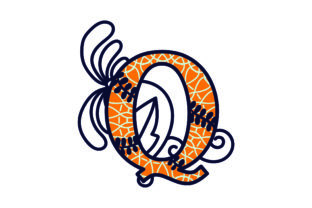
3D Layered Alpabet - Q: A Practical Guide to Avoiding Design Pitfalls
You have likely stumbled upon 3D Layered Alpabet - Q while searching for high-quality assets to elevate your next project. Whether you are a graphic designer refining a brand identity, a small business owner creating marketing materials, or an educator preparing engaging classroom resources, the visual impact of this design is undeniable. It offers a distinct three-dimensional depth that standard flat fonts simply cannot achieve. However, acquiring the file is only the first step. The real value lies in how you utilize it, and many users make critical errors immediately after downloading.
The transition from a 2D concept to a layered 3D asset requires more than just opening a software program. It demands an understanding of file compatibility, layer management, and output specifications. Without this knowledge, even the most beautiful design can end up looking pixelated, misaligned, or completely unusable on specific platforms. This guide focuses on the practical realities of working with 3D Layered Alpabet - Q, helping you navigate the technical nuances that separate a professional result from a frustrating failure.
Understanding the Format Advantage
One of the primary reasons creators choose 3D Layered Alpabet - Q is its versatility across multiple formats. You will receive this design in the following formats: SVG File, Transparent PNG, EPS, and DXF. Each format serves a specific purpose, and confusing them is a common mistake that leads to wasted time and money.
- SVG (Scalable Vector Graphics): This is ideal for web design and digital presentations where crisp scaling is essential. If you attempt to resize an SVG incorrectly in a raster-based editor, you lose the vector benefits.
- Transparent PNG: Perfect for quick overlays in photo editing software like Photoshop or Canva. However, these are resolution-dependent; zooming in too far will reveal jagged edges.
- EPS (Encapsulated PostScript): The industry standard for print production. This format preserves the layers needed for professional printing services, ensuring your 3D effect remains sharp at any size.
- DXF (Drawing Exchange Format): Crucial if you plan to use laser cutters or CNC machines. Using this file type in a graphic design program without converting it first can lead to significant cutting errors.
Many beginners download the package and immediately open the DXF file in Adobe Illustrator to create a logo, not realizing that the coordinate system might differ from what their printer expects. Always match the file format to the final destination of your work.
Pitfalls in Layer Management and Editing
The "Layered" aspect of 3D Layered Alpabet - Q is its most powerful feature, but also its most fragile. When you open the file in your preferred software, you will see numerous stacked paths that create the illusion of depth. A frequent error occurs when users flatten these layers prematurely or merge them without checking the order.
If the stacking order is incorrect, the shadows and highlights that give the letter "Q" its volume will disappear, resulting in a flat, unimpressive image. Furthermore, some editing programs automatically group layers upon import. If you do not ungroup the elements correctly, you may find yourself unable to adjust the individual segments of the 3D effect. This often forces users to start over, wasting valuable hours.
To avoid this, always verify the layer panel before applying any effects. Ensure that the base layer sits at the bottom and that the topmost highlight layer is clearly separated. In vector software, check that all strokes are set to "none" unless specifically required for the outline, as stray strokes can distort the final look when exported.
Resolution and Output Errors
Another area where satisfaction plummets is the misunderstanding of resolution requirements. Users often take the Transparent PNG version intended for social media and attempt to use it for large-format banners or billboards. No matter how high the initial quality, a raster image has a fixed pixel count. Stretching it beyond its native dimensions results in blurriness, which destroys the professional appearance of the typography.
Conversely, some users try to print the SVG directly without considering the color profile. Digital screens use RGB (Red, Green, Blue) color models, while professional printers require CMYK (Cyan, Magenta, Yellow, Key). If you do not convert the color mode before sending 3D Layered Alpabet - Q to a print shop, the colors may appear duller or shifted compared to your screen preview. Always request a proof or simulate the print profile within your software to catch these discrepancies early.
Technical Compatibility and Software Choices
Selecting the right software is just as important as selecting the right file. While modern tools handle most formats well, older versions of design software sometimes struggle with complex layer structures found in advanced 3D alphabets. If you encounter glitches, such as missing paths or broken gradients, try updating your software or exporting the file to a universal intermediate format like PDF before importing it into your final application.
For hobbyists using DIY cutting machines, the DXF file is essential, but it requires precise settings. Many users overlook the line weight and stroke thickness settings in their machine software. If the lines are too thin, the cutter may skip parts of the design; if they are too thick, the material may be damaged. Always run a test cut on scrap material to calibrate your machine before committing to your final project.
Evaluating Your Needs Before You Commit
Before integrating 3D Layered Alpabet - Q into your workflow, take a moment to assess your specific needs. Are you designing for a website? Then prioritize the SVG. Do you need a physical prop? The DXF and EPS files are your best friends. Understanding the end goal prevents the frustration of trying to force a file type to do something it was never designed for.
Consider the complexity of your project. If you are new to 3D design, the layered nature of this alphabet might seem overwhelming. Start by experimenting with simple text combinations rather than full sentences. This allows you to understand how the layers interact without getting lost in the details. As you gain confidence, you can explore more complex arrangements and customizations.
Maximizing Quality and Efficiency
To ensure the highest quality results, maintain a clean workspace. Organize your layers logically within your software before beginning any edits. Name your layers clearly so you can easily identify the shadow, mid-tone, and highlight sections later. This organization saves time during revisions and makes collaboration easier if you are working with a team.
Additionally, always save your work in the native format of your software (such as .AI or .PSD) in addition to the export formats. This ensures you retain all editable layers and effects. If you only save the flattened exports, you lose the ability to tweak the 3D depth or adjust the lighting later on. Keeping a master file is a simple habit that protects your investment in the design.
By paying attention to these details—file formats, layer management, color profiles, and software capabilities—you can fully leverage the potential of 3D Layered Alpabet - Q. Avoiding these common pitfalls ensures that your projects look polished, professional, and exactly as you envisioned. With the right approach, this versatile design becomes a cornerstone of your creative toolkit, capable of elevating everything from digital ads to physical merchandise.