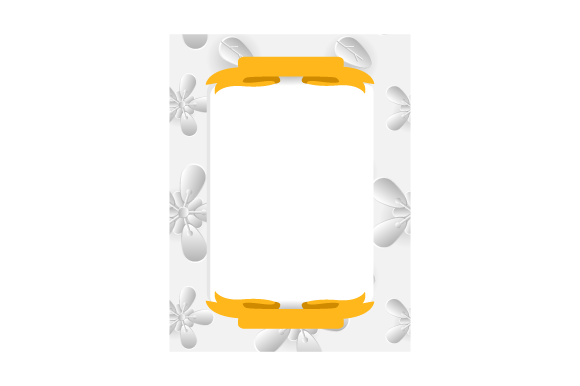
3d Flower Frame Photo Template Design for Print
The visual landscape of digital and print media is constantly shifting, yet the desire for organic, tactile aesthetics remains a constant. A 3d flower frame photo template design bridges the gap between flat digital imagery and the depth of physical art. It transforms a simple snapshot into a centerpiece, adding layers of texture, shadow, and dimension that standard borders simply cannot achieve. This isn't just about putting a picture inside a box; it is about creating an environment where the subject matter breathes.
When you download a package containing AI, EPS, JPG, and PNG files, you are acquiring more than just graphics. You are receiving a versatile toolkit that adapts to your specific workflow, whether you are a freelancer managing tight deadlines or a small business owner crafting unique packaging. The core appeal lies in the interplay of light and form. By simulating realistic petals, stems, and shadows, these templates invite the viewer to look closer, adding a sense of warmth and personal touch to corporate branding, wedding invitations, or social media content.
Understanding the Depth of 3D Floral Artistry
What distinguishes a three-dimensional floral frame from a traditional two-dimensional border is the illusion of volume. In a 3d flower frame photo template design, the elements appear to rise off the page. This technique utilizes gradient overlays, drop shadows, and highlight effects to mimic how natural light interacts with real flowers. For designers, this means the final output feels tangible, even if it exists only on a screen.
This approach is particularly powerful because it evokes emotion. Flowers are universally associated with growth, beauty, and celebration. When rendered in 3D, they become dynamic rather than static. They can feel like they are gently swaying or blooming around the focal point of your image. This subtle movement captures attention in a crowded feed or draws the eye immediately to a product on a shelf. The depth creates a hierarchy, ensuring the photograph within the frame remains the star while the floral elements provide a supportive, elegant stage.
Why the File Formats Matter
The value of a high-quality template is often hidden in the file types provided. A comprehensive package usually includes AI (Adobe Illustrator) and EPS files, which are vector-based. These formats are crucial for scalability. Whether you are printing a tiny business card or a massive billboard banner, vector graphics ensure that every petal edge remains crisp and sharp without pixelation. This flexibility allows creators to adjust colors, resize elements, and modify the layout without losing resolution.
For quick previews or web usage, the included JPG and PNG files serve as immediate assets. The PNG format is especially valuable because it supports transparency. This allows you to place the 3D floral frame over any background color or pattern seamlessly, integrating it into complex designs without unsightly white boxes. Having all four formats ensures that you are prepared for every stage of production, from initial concept sketching to final commercial printing.
Creative Applications Across Industries
The versatility of a 3d flower frame photo template design extends far beyond simple photo editing. Its applications are vast, catering to a wide range of professionals who need to communicate visually and effectively.
- Event Planning and Weddings: Couples often seek personalized touches for their stationery. Using these templates, designers can create bespoke invitations, save-the-date cards, and menu covers that feature the couple's engagement photos framed by lush, dimensional blooms. The 3D effect adds a premium feel that justifies higher price points for custom paper goods.
- Retail and E-Commerce: Small business owners can leverage these frames to enhance product photography. Imagine a jewelry brand displaying a necklace against a backdrop of soft, 3D flowers. The frame guides the customer's eye directly to the product while suggesting themes of elegance and nature. It elevates a standard product shot into a lifestyle image.
- Social Media Marketing: Bloggers and influencers use these designs to create cohesive content calendars. A consistent floral theme across Instagram posts or Pinterest pins builds a recognizable brand identity. The 3D aspect stands out in feeds dominated by flat, minimalist graphics, increasing click-through rates and engagement.
- Educational Materials: Teachers and educators can incorporate these visuals into worksheets, certificates, and presentation slides. Adding a 3D floral border to a "Student of the Month" certificate makes the achievement feel more significant and celebratory.
Tailoring Designs for Print Borders
When specifically designing for print borders and photo frames, precision becomes paramount. The transition from screen to paper introduces variables like ink bleed, paper texture, and lighting conditions. A 3D effect that looks vibrant on a monitor might appear muddy if the color profile isn't managed correctly during the print preparation phase.
To ensure success, start by utilizing the EPS or AI files to set up your document with the correct bleed margins. This extra space ensures that when the paper is trimmed, no white edges remain visible. If your design relies heavily on gradients to create the 3D illusion, ensure your printer supports high-resolution CMYK output. For matte finishes, the 3D shadows may soften slightly, requiring a slight adjustment in contrast to maintain the depth. Conversely, glossy coatings can make the highlights pop, enhancing the realistic look of the petals.
Adapting Styles for Modern Audiences
While the core concept remains the same, the execution of a 3d flower frame photo template design can vary wildly to suit different aesthetic movements. You are not limited to one style. The raw vector files allow you to deconstruct the design and rebuild it to fit current trends.
Consider a minimalist approach. Instead of a dense cluster of roses, isolate a single stem or a few leaves. Use negative space to let the photo breathe. This works exceptionally well for modern brands that prefer clean lines and understated elegance. On the other end of the spectrum, you can go for a maximalist garden look. Layer multiple flower types, add berries, and fill the corners completely. This approach suits bohemian styles, vintage-themed events, or products targeting a niche market that loves intricate details.
Color customization is another powerful tool. While many templates come in soft pastels or classic reds, changing the hue to match a brand's palette instantly integrates the design into a larger system. A deep navy blue frame with gold accents can convey luxury, while a bright yellow and green combination suggests energy and freshness. Because the source files are editable, you can recolor entire sections of the frame with a single click, maintaining consistency across all your marketing materials.
Practical Tips for Execution
To get the most out of your templates, organization is key. Keep your project folders structured by format: separate your working vector files from your export-ready raster images. This prevents accidental corruption of the master files. When placing your photo into the designated area, pay attention to the focal point. Ensure the subject's eyes or main features align with the center of the frame to avoid awkward cropping caused by the 3D elements encroaching on the image.
Consistency is the hallmark of professional design. If you choose a specific 3D flower style for your website headers, try to echo that same style in your printed brochures or packaging. This cross-platform consistency reinforces brand recognition. However, do not be afraid to experiment with variations. Perhaps use a different flower type for seasonal promotions while keeping the frame structure identical. This keeps the design fresh without losing its core identity.
Finally, always test your designs before going to mass production. Print a sample at full size to check how the shadows render on the actual paper stock. What looks good on a backlit screen might need tweaking under fluorescent office lights. By testing early, you ensure that the final product meets your expectations and delivers the high-quality result that your audience deserves.
In conclusion, a 3d flower frame photo template design offers a perfect blend of artistic flair and technical utility. It empowers creators to produce work that feels handcrafted and premium, regardless of their budget or timeline. With the right files and a clear vision, these templates become more than just decorations; they become essential tools for storytelling and brand building.