Grey Blue Geometric Background: A Modern Foundation for Digital and Print Design
In the rapidly evolving landscape of visual communication, the search for a design element that balances sophistication with structural integrity often leads to one specific aesthetic direction. The Grey Blue Geometric Background has emerged as a cornerstone in modern graphic resources, offering a versatile canvas that speaks to both industrial precision and creative fluidity. This unique combination is not merely a decorative choice; it represents a convergence of color theory, spatial dynamics, and technological advancement. By integrating cool blue tones with neutral greys and sharp geometric forms, designers create an environment that feels both futuristic and grounded.
The Architecture of Visual Space
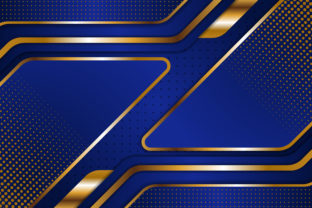
To understand the power of this design motif, one must first look at its structural composition. Unlike organic patterns that rely on natural randomness, geometric designs are built upon mathematical precision. When we introduce a grey-blue palette into this mix, the result is a visual experience that mimics the sleek surfaces of modern architecture. The interplay between diagonal, horizontal, and vertical lines creates a sense of movement and stability simultaneously.
This architectural approach is particularly effective in business and technology sectors where trust and innovation are paramount. The use of silver accents overlaid on a dark space adds depth, suggesting a metallic texture that catches the light. This layering technique transforms a flat image into a three-dimensional experience, even within a two-dimensional medium. The abstract nature of the shapes allows the viewer's eye to wander without getting lost, creating a comfortable yet engaging viewing experience.
Symmetry and Asymmetry in Balance
A critical component of this background style is the manipulation of symmetry. While perfect symmetry offers a sense of order and reliability, the introduction of asymmetrical elements—such as overlapping paper layers or irregular triangles—injects a necessary dose of creativity. This balance prevents the design from feeling sterile or robotic. In a presentation or poster context, these subtle deviations guide the viewer's attention toward key messages or data points, acting as invisible navigational aids.
The concept of overlap is frequently utilized to add complexity. By stacking distinct layers of color and form, designers can create a sense of hierarchy. Darker shades of blue serve as the foundation, while brighter highlights suggest illumination. This mimics the way light interacts with metal and glass in the real world, grounding the digital artwork in physical reality.
Applications Across Industries
The versatility of the grey blue geometric theme extends far beyond simple decoration. Its utility spans a wide array of professional fields, making it a staple in the toolkit of any serious creator. Whether the goal is to sell a product, explain a complex concept, or simply capture attention, this design language adapts seamlessly.
- Corporate Branding: For companies specializing in technology or finance, this background conveys stability and forward-thinking. It is ideal for brochure layouts and corporate identity templates where a clean, uncluttered look is required to present dense information clearly.
- Digital Interfaces: In web design and app development, these patterns serve as excellent backdrops for user interfaces. The blue tones are known to reduce eye strain and promote focus, while the geometric elements provide a structured grid for organizing content.
- Educational Materials: Educators utilize these visuals to break up text-heavy slides. The concept of using a structured background helps students organize their thoughts around the presented material, enhancing retention rates.
- Event Marketing: For conferences and trade shows, large format wallpaper or banners featuring this style make a bold statement. They stand out in crowded environments due to their high contrast and dynamic feel.
Real-World Implementation Examples
Consider a software company launching a new cloud platform. A standard white background might be too plain, while a chaotic abstract pattern could distract from the product features. A grey blue geometric background strikes the perfect middle ground. It provides a professional setting that implies security and efficiency. When combined with vector icons representing data flow or connectivity, the message is communicated instantly and effectively.
Similarly, in the realm of interior design, these patterns are translated into physical textures. Imagine a conference room wall adorned with a mural that replicates the double layer effect of the digital original. The tactile experience of the wall, combined with the visual depth, creates an immersive atmosphere that inspires collaboration and innovation.
The Psychology of Color and Form
Design is never purely aesthetic; it is deeply rooted in psychology. The choice of colors in a geometric layout triggers specific emotional responses. Blue is universally associated with calmness, intelligence, and trust. When paired with grey, which represents neutrality and balance, the overall mood becomes one of professionalism. The addition of silver introduces a touch of luxury and futurism.
The shapes themselves carry meaning. Circles and round shapes suggest unity and continuity, while triangles imply direction and energy. Squares and rectangles represent stability and structure. By mixing these forms, a designer can control the narrative of the piece. For instance, a layout dominated by triangles might be used for a sports brand or a tech startup aiming to disrupt the market, whereas a design heavy on circles and squares might suit a healthcare provider or a government agency.
The texture provided by the "paper" effect mentioned in many vector descriptions adds a human element to the digital design. It softens the harshness of pure geometry, making the final output feel more accessible and less intimidating. This is crucial for engaging a broad audience that includes non-technical users who might otherwise feel alienated by overly complex or cold imagery.
Technical Considerations for Creators
For professionals working with these assets, understanding the technical aspects is just as important as the artistic vision. High-quality vector files are essential because they allow for infinite scaling without loss of resolution. This ensures that a design created for a small mobile screen can be expanded to a massive billboard without pixelation or blurring.
When utilizing these backgrounds, consideration must be given to contrast ratios. Text placed over a busy geometric pattern requires careful selection of font colors. Often, solid blocks of color or semi-transparent overlays are used behind text to ensure readability. The principle of "less is more" applies here; the background should support the content, not compete with it.
Furthermore, the file format matters. While vectors (like SVG or EPS) are ideal for editing, raster formats (like JPG or PNG) are necessary for final web delivery. Understanding how to convert these assets while maintaining the integrity of the light and shadow effects is a key skill for graphic designers. The goal is to preserve the illusion of depth that makes the modern artwork so compelling.
Optimizing for Digital Environments
In the age of high-resolution displays, the detail in these backgrounds is more visible than ever. A bright gradient that looks subtle on a low-res monitor might appear vibrant and rich on a Retina display. Designers must test their work across different devices to ensure the color accuracy remains consistent. The transition from dark space to lighter gradients should be smooth, avoiding banding artifacts that can ruin the professional look of the final piece.
Additionally, the loading speed of a webpage can be affected by complex background images. Optimizing these assets involves compressing the file size without sacrificing quality. Techniques such as using CSS gradients to replicate simple geometric patterns can significantly improve performance while maintaining the desired aesthetic.
Trends and Future Directions
The trajectory of graphic design suggests that the demand for structured, yet dynamic backgrounds will only increase. As virtual reality (VR) and augmented reality (AR) become more prevalent, the need for 3D-ready assets grows. The 3d aspect of the grey blue geometric background is particularly relevant here. These designs translate naturally into 3D spaces, serving as textures for virtual environments or as HUD elements in AR applications.
The trend towards minimalism continues to evolve. We are seeing a shift away from cluttered, multi-colored designs toward focused, monochromatic palettes with subtle variations in tone. The grey blue spectrum fits perfectly into this trend, offering enough variation to remain interesting without overwhelming the senses. This evolution reflects a broader cultural desire for clarity and simplicity in a world saturated with information.
Moreover, the integration of AI-generated art is beginning to influence how these backgrounds are created. Algorithms can now generate infinite variations of geometric patterns based on specific parameters. However, the human touch remains vital in curating these results to ensure they align with the brand's voice and the project's goals. The synergy between human creativity and machine efficiency promises to produce even more innovative uses of the pattern and shape combinations found in this category.
Conclusion: A Timeless Design Element
The Grey Blue Geometric Background stands as a testament to the enduring power of combining form and function. It is a design solution that addresses the needs of the modern professional while appealing to the aesthetic sensibilities of the contemporary consumer. From its roots in architectural precision to its application in cutting-edge digital media, this style proves that good design is timeless.
Whether you are designing a template for a client, creating a poster for an event, or building a website for a global corporation, incorporating these elements can elevate your work. The ability to convey concepts of innovation, stability, and creativity through a simple arrangement of shapes and colors is a powerful tool in any designer's arsenal. As we move forward into an increasingly digital future, the principles embodied in this background style will continue to guide us toward clearer, more impactful visual communication.