Unveiling the Artistry of Paper Cut Horizontal Backgrounds
In a digital landscape saturated with flat, uniform designs, there is a distinct desire for depth, texture, and tactile realism. This is where the Paper Cut Horizontal Background emerges as a powerful visual tool. Blending the charm of traditional craft with modern 3D technology, this design style offers a unique aesthetic that captures attention while maintaining a clean, professional look. Whether you are a business owner crafting a flyer or a web developer seeking a fresh layout, understanding the nuances of this vector art form can elevate your projects significantly.
The Intersection of Craft and Technology
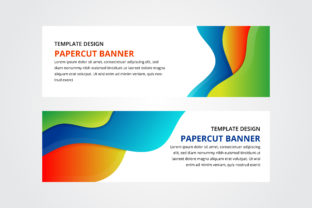
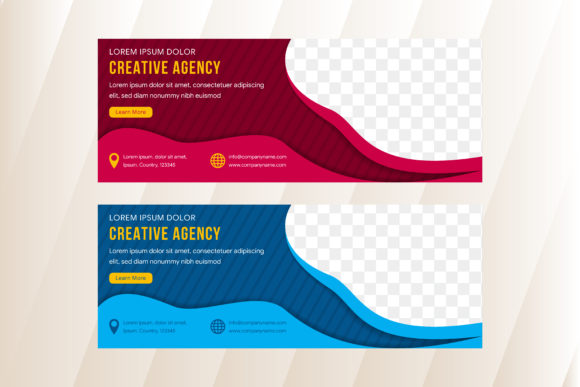
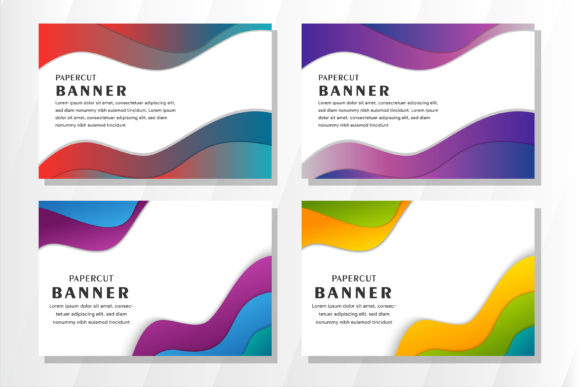
At its core, the concept of a paper cut horizontal background relies on the illusion of depth. Unlike standard flat graphics, these designs utilize multiple layers to simulate the physical act of cutting paper. By stacking different colored shapes and adding subtle shadows, designers create a sense of dimensionality that feels almost tangible. This technique, often referred to as papercut art, has been reimagined through vector design software to produce crisp, scalable images suitable for both print and digital media.
The "horizontal" aspect of this style is particularly strategic. It aligns naturally with the way users scan content on websites and presentations. A horizontal banner guides the eye from left to right, creating a seamless flow that is ideal for headers, footers, and navigation bars. When combined with 3D abstract backgrounds, the result is a dynamic composition that feels modern yet approachable. The layers do not just sit on top of one another; they interact, creating a narrative within the frame itself.
Key Characteristics of the Design Style
- Layered Depth: The primary feature is the use of multilayered elements. Each shape casts a shadow on the layer below, mimicking real-world lighting and distance.
- Geometric Precision: Despite the organic feel of paper, the underlying structure is often geometric. Clean lines and sharp angles provide a structured framework for more fluid, creative shapes.
- Vibrant Color Palettes: These designs frequently employ bright, colorful schemes. The contrast between layers is enhanced by bold hues, making the image pop against white or dark backgrounds.
- Minimalistic Approach: While complex in construction, the final visual impact is often minimalistic. The design avoids clutter, focusing on essential shapes that convey a specific mood or message.
Why Choose This Style for Your Projects?
The versatility of the Paper Cut Horizontal Background makes it applicable across a wide spectrum of industries. Its ability to blend creativity with functionality means it can serve various purposes without losing its visual appeal. For businesses, it offers a way to present information that feels friendly and accessible rather than corporate and cold.
One of the most significant advantages is its adaptability. Because these are vector-based designs, they can be resized without any loss of quality. A graphic created for a massive billboard can be shrunk down to fit a small mobile screen or a social media icon, retaining its crisp edges and clear details. This scalability is crucial for brands that need to maintain consistency across all their marketing channels.
Furthermore, the style evokes a sense of joy and playfulness. The "cut out" effect suggests craftsmanship and human effort, which can build trust with an audience. In an era of automated content, a design that looks like it was crafted by hand stands out. It signals that care and attention have been put into the project, whether it is a business presentation, a flyer, or an invitation card.
Practical Applications Across Industries
To truly understand the value of this design language, let us explore how it functions in real-world scenarios. The applications are diverse, ranging from travel agencies to tech startups.
- Travel and Tourism: The travel industry thrives on inspiration. A horizontal banner featuring layered mountains, clouds, or palm trees in a paper cut style can instantly transport a viewer to a destination. The depth of the image adds a sense of adventure and exploration, making it perfect for landing pages promoting vacation packages or hotel bookings.
- Business Presentations and Flyers: Corporate communications often suffer from being too dry. Integrating a modern paper cut layout into a slide deck can break up text-heavy sections and keep the audience engaged. Similarly, for flyers and posters, the style allows for a striking visual hierarchy where key information is highlighted by the surrounding artistic elements.
- E-Commerce and Vouchers: Online stores need to grab attention quickly. Using these backgrounds for product showcases or discount vouchers adds a festive or premium touch. The "card" element fits perfectly here, creating a frame that draws the eye directly to the offer or product image.
- Web Design and UI Elements: On websites, these backgrounds work exceptionally well as hero sections or section dividers. They provide a break from standard solid colors or photography, offering a unique texture that enhances the user experience. The abstract nature of the design ensures it does not distract from the actual content but rather complements it.
- Ecology and Environment Concepts: The connection between paper (a natural material) and the environment is strong. Designs incorporating leaves, trees, and organic curves in a layered style are highly effective for organizations focused on sustainability. The carving art aesthetic reinforces themes of nature and conservation.
Evaluating Suitability: Strengths and Considerations
While the Paper Cut Horizontal Background is a versatile tool, it is important to evaluate its suitability for specific needs before implementation. Like any design choice, it comes with strengths and potential limitations.
Strengths:
The primary strength lies in its ability to communicate concepts quickly. The layering technique creates a visual story without needing extensive text. It is also highly fashionable; the trend of flat design has evolved, and the addition of depth via paper cuts keeps the aesthetic current. Additionally, the creative mixing of shapes allows for endless customization. You can change colors, swap icons, and adjust the curve of the elements to match your brand identity perfectly.
Considerations:
However, there are factors to consider. If a project requires a strictly formal or serious tone, the playful nature of paper cut art might feel too casual. It is essential to balance the whimsy with professional typography and imagery. Furthermore, while the vector files are lightweight, the rendering of complex 3D effects in certain web browsers can sometimes require optimization to ensure fast loading times.
Another consideration is accessibility. High-contrast color combinations are common in these designs to emphasize the layers. Designers must ensure that text placed over these backgrounds remains readable for all users, including those with visual impairments. Proper spacing and the use of overlays can mitigate this issue.
Maximizing the Impact of Your Design
To get the most out of a vector design layout based on paper cut aesthetics, focus on harmony. The goal is to make the background support the content, not overpower it. When designing a poster or a website, start with the core message and let the horizontal banner frame that message. Use the layers to guide the viewer's eye toward the call-to-action.
For professionals looking to implement this style, collaboration with skilled designers is key. While templates are available, customizing the symbol and shape elements to reflect your specific brand values will yield better results. Think about the emotions you want to evoke—joy, excitement, calmness—and choose color palettes and forms that align with those feelings.
In conclusion, the Paper Cut Horizontal Background represents a fusion of old-world charm and new-age technology. It offers a refreshing alternative to standard graphics, providing depth, texture, and a sense of creativity that resonates with audiences. Whether used for a voucher, a website header, or a presentation slide, this design style brings a unique flair that can transform ordinary content into something memorable. By understanding its features and applying them thoughtfully, creators and business owners can leverage this art form to tell compelling stories and engage their users effectively.