Elevating Visual Communication: The Strategic Impact of 3D Layered Alphabet - L
In an era where digital saturation is the norm, capturing attention requires more than just bold typography or vibrant colors. It demands depth, texture, and a tactile quality that traditional flat design often struggles to convey. This is where the emergence of specialized assets like 3D Layered Alphabet - L becomes a critical component for professionals seeking to differentiate their work. Far from being a mere aesthetic novelty, this design element represents a convergence of technological capability and evolving consumer psychology, offering a tangible solution for creators navigating a crowded marketplace.
The concept of layered typography has existed in print and digital media for decades, but the specific iteration known as 3D Layered Alphabet - L introduces a new level of sophistication. Unlike standard extrusion tools that simply add thickness to a font, this asset is engineered with distinct, separable layers that mimic physical construction. It allows designers to manipulate light, shadow, and perspective with precision, creating a visual hierarchy that feels organic rather than algorithmic. For entrepreneurs and marketers, understanding the utility of this specific design format is essential for staying ahead of the curve in brand storytelling.
Bridging the Gap Between Physical and Digital Realities
The broader industry trend moving toward "Phygital" experiences—where physical and digital realms merge—is reshaping how we approach visual content. Consumers are increasingly accustomed to high-fidelity rendering in video games, augmented reality (AR) applications, and interactive web experiences. They expect interfaces to feel responsive and objects to possess weight. 3D Layered Alphabet - L addresses this expectation by providing a bridge between the two-dimensional screen and three-dimensional perception.
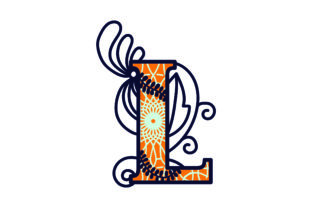
When integrated into a workflow, this asset allows for a level of realism that flat vector graphics cannot achieve. By utilizing the separate layers, designers can simulate complex lighting environments without needing to be expert 3D modelers. The result is a logo, headline, or graphical element that appears to exist within the user's space. This is particularly relevant for industries such as fashion, automotive, and luxury goods, where the tactile nature of materials is central to the brand identity. A simple letter "L" transformed through this layered technique can evoke the feeling of brushed metal, polished glass, or textured concrete, instantly communicating brand values before a single word is read.
Adapting to Changing Creative Workflows
The modern creative landscape is defined by speed and versatility. Freelancers and agency teams alike face the pressure to deliver high-quality assets across multiple platforms, from social media thumbnails to large-scale billboards. Traditional 3D modeling software often presents a steep learning curve and time-consuming rendering processes. This bottleneck has created a demand for smart, pre-structured assets that streamline production.
This is where the structural integrity of 3D Layered Alphabet - L proves its worth. Delivered in versatile formats including SVG File, Transparent PNG, EPS, and DXF, it fits seamlessly into diverse toolsets. The SVG format ensures crisp scalability for web development, while the EPS and DXF files cater to print and laser-cutting machinery. This multi-format availability means that a marketing team can use the same core asset for a dynamic website banner, a printed brochure, and a physical signage installation without compromising quality or requiring a complete redesign.
Furthermore, the layering capability supports agile workflows. If a brand decides to shift its color palette or update its visual language, the designer does not need to re-model the entire character. Instead, they can adjust individual layers to reflect the new direction, saving hours of labor. This efficiency is crucial for startups and small businesses operating on tight budgets who need professional-grade visuals without the overhead of a full-time 3D artist.
The Psychology of Depth in Consumer Engagement
Why are consumers paying attention to these types of designs? The answer lies in cognitive processing. Human brains are wired to interpret depth cues as indicators of importance and reality. When a viewer encounters a 3D layered element, their eyes naturally focus on the shadows and highlights, engaging them more deeply than a flat image. This phenomenon, known as the "pop-out effect," is a powerful tool for directing user attention.
In the context of digital marketing, this psychological advantage translates directly to higher engagement rates. A call-to-action button or a headline featuring 3D Layered Alphabet - L stands out against the backdrop of flat, minimalist web trends. It creates a focal point that guides the user journey. Moreover, the perceived value of the content increases. When a brand invests in high-quality, dimensional design, it signals professionalism and attention to detail, fostering trust among potential customers.
Observations from recent campaigns show that brands utilizing dimensional typography report increased dwell times on landing pages. Users spend more time exploring the nuances of the design, which correlates with a higher likelihood of conversion. This is not merely about making things look "cool"; it is about leveraging human perception to enhance communication effectiveness.
Practical Applications Across Industries
The versatility of this design extends far beyond graphic design studios. Let us consider a few practical scenarios where 3D Layered Alphabet - L transforms outcomes:
- Event Branding and Signage: Event organizers can use the DXF version of the alphabet to create custom stage backdrops, laser-cut welcome signs, and immersive photo booths. The layered nature allows for the creation of actual physical depth when assembled, turning a simple logo into an architectural feature.
- Product Packaging: In the competitive consumer goods market, shelf presence is everything. Using the EPS file, packaging designers can create mockups that demonstrate how a product box would look with embossed, layered text. This helps stakeholders visualize the final product and make informed decisions before manufacturing begins.
- Social Media Content: Influencers and content creators can utilize the Transparent PNG versions to overlay dynamic text onto videos or static images. The ability to isolate layers allows for creative animations where parts of the letter move independently, adding a dynamic element to otherwise static posts.
- Merchandise and Apparel: For streetwear brands and merchandise lines, the SVG and EPS formats are ideal for screen printing and embroidery digitization. The layered structure ensures that the design retains its intended depth and detail even when scaled down for t-shirt prints or hats.
Future-Proofing Your Visual Identity
As technology continues to evolve, the line between 2D and 3D will continue to blur. Virtual Reality (VR) and Augmented Reality (AR) are moving from niche gaming applications to mainstream business tools. Companies are beginning to integrate virtual showrooms and AR try-on features into their e-commerce strategies. In this future landscape, assets that natively support 3D spatial properties will become the standard rather than the exception.
By adopting 3D Layered Alphabet - L now, professionals are future-proofing their visual libraries. These assets are compatible with emerging design software that handles 3D textures and lighting in real-time. Investing in this style of typography today prepares a brand for tomorrow's immersive technologies. It demonstrates a forward-thinking approach that resonates with tech-savvy audiences and positions the brand as an innovator.
Moreover, the sustainability aspect of digital design should not be overlooked. Creating reusable, modular assets reduces the need for constant rework and minimizes waste in the production process. The modularity of the layered alphabet allows for infinite variations without generating new files from scratch, promoting a more efficient and sustainable creative cycle.
Conclusion: A New Standard for Visual Storytelling
The introduction of 3D Layered Alphabet - L is more than just a new font option; it is a strategic tool for modern communication. It answers the growing demand for depth, realism, and interactivity in a world dominated by flat screens. By offering flexibility across various formats and supporting a wide range of industries, it empowers creators to tell richer stories and build stronger connections with their audiences.
For professionals, entrepreneurs, and enthusiasts, embracing this design element is an opportunity to elevate their brand's presence. Whether used for a subtle background texture or a bold primary headline, the 3D Layered Alphabet - L adds a dimension of quality that speaks volumes. As we move further into a digital-first economy, the ability to convey substance through visual depth will remain a defining characteristic of successful brands. Those who recognize the value of this asset today will lead the visual trends of tomorrow.
In summary, the integration of layered 3D typography is a logical evolution in design. It aligns with consumer expectations, streamlines creative workflows, and opens doors to new technological possibilities. By understanding and utilizing resources like 3D Layered Alphabet - L, creatives can ensure their work remains relevant, impactful, and enduring in an ever-changing landscape.